
‘Oklahoma’s Poor Rich Indians’ Still Echoes in Native Lives Today
- Cherokee 411 Staff

- Mar 11
- 2 min read
By Cara Cowan Watts Cherokee 411
When Oklahoma's Poor Rich Indians was published in 1914, it documented what its authors described as an orgy of graft and legalized robbery carried out against members of the Five Civilized Tribes. Through allotment laws, guardianship systems, and compliant courts, Native land, wealth, and lives were systematically taken.
More than a century later, that report remains painfully relevant.
During a recent Cherokee 411 interview, Cara Cowan Watts sat down with Tatianna Keblish Duncan, a citizen of both the Mvskoke Nation and the Cherokee Nation, to hear her personal story and the path that led her to write Indian Territory: Surviving 160 Acres of Betrayal. Duncan specifically referenced Oklahoma’s Poor Rich Indians during the conversation, noting how the report helped frame her understanding of what happened to Native families across Indian Territory.

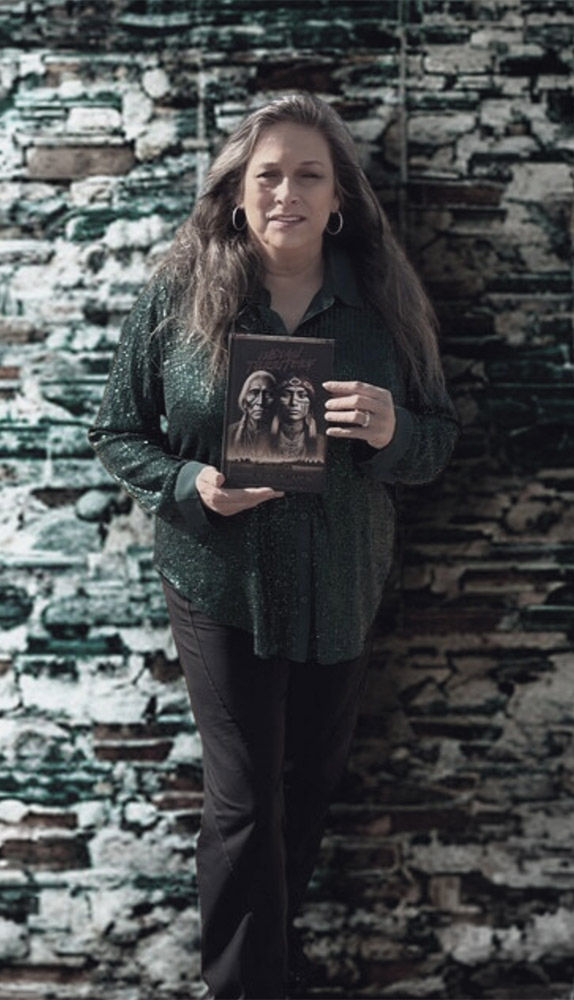

Photos Provided By Tatianna Duncan
Duncan was raised within the boundaries of the Cherokee Nation reservation and graduated from Jay High School. Seeking opportunity, she enlisted in the United States Navy, where she served more than two decades as an aircraft engine mechanic working on F/A-18 aircraft and retired at the rank of E-6. Her military service, family life, and Native identity form the foundation of her work today.
Her book centers on the allotment era and its enduring consequences. It traces how federal policy fractured Native families, transferred land out of Native hands, and created conditions where violence, fraud, and disappearance became common. While the Osage murders are widely known, Duncan emphasizes they were only one chapter in a much larger story of trauma that affected tribes across Oklahoma, including Cherokee and Mvskoke families.
Duncan is also the founder of The Lucinda Hickory Research Institute, which focuses on uncovering lesser-known allotment era histories and elevating Native voices. Her work underscores that land theft and violence were not isolated incidents but part of a broader system designed to strip Native people of resources, sovereignty, and safety.
A Call for Cherokee Families
Cherokee 411 is building and maintaining a Murdered and Missing Cherokee People database. If your family has Cherokee ancestors who were murdered, went missing, or died under suspicious circumstances, we want to hear from you. Names, dates, locations, documents, and oral histories are critical. These stories deserve to be recorded and remembered.
Readers are encouraged to support Native scholarship by purchasing and reading Duncan’s book and by reaching out to her with feedback. Sharing these stories strengthens the historical record and honors those who were silenced.
Resources and Further Reading
Oklahoma’s Poor Rich Indians https://digitalprairie.ok.gov/digital/collection/culture/id/6553/
Author and Research Page https://allotmentera.wordpress.com/for-further-reading/
Tatianna Keblish Duncan on Facebook https://www.facebook.com/profile.php?id=61583939921246
The allotment era was not an accident. It was policy. Its impacts remain visible in Native families today, and the work of truth telling continues.


Comments